Reta
Retatrutide is a novel synthetic peptide that acts as a triple agonist at the glucose-dependent insulinotropic polypeptide (GIP), glucagon-like peptide-1 (GLP-1), and glucagon receptors. It is currently one of the most studied next-generation peptides in metabolic research.
Benefits
• Significant reduction in body fat and overall body weight
• Improvement in glycemic control and blood glucose regulation
• Increase in insulin sensitivity and reduction in insulin resistance
• Suppression of appetite and reduction in food intake
• Increase in energy expenditure and metabolic rate
• Preservation of lean muscle mass during weight loss
• Improvement in lipid profile (reduction in triglycerides and LDL cholesterol)
• Reduction in liver fat accumulation (hepatic steatosis)
• Support for cardiovascular health markers
• Potential improvement in pancreatic beta-cell function
• Modulation of inflammatory pathways and reduction in systemic inflammation
• Enhancement of satiety signaling through multiple hormone pathways
• Potential neuroprotective effects and support for cognitive function in metabolic models
• Improvement in overall metabolic flexibility and energy utilization
• Support for better sleep quality and recovery in some research models
• Potential positive effects on mood and well-being through metabolic pathways
• Increased thermogenesis and fat oxidation
• Potential improvement in insulin secretion and glucose disposal
• Support for reduced visceral fat specifically
• Enhanced mitochondrial function and cellular energy production
• Potential benefits for non-alcoholic fatty liver disease
• Improved endothelial function and vascular health
Dosing Schedule
A common simple protocol used in laboratory studies starts with 1 mg of Reta once per week, administered subcutaneously. The dose is then titrated upward by .25 mg every week until the individual researcher reaches their recommended maintenance level based on their BMI. At the recommended starting dosage of 1 mg once per week, one 10 mg vial will last approximately 10 weeks. As the dose is titrated higher, the vial will last fewer weeks.
Suggested maintenance dose based on BMI (once per week):
• BMI 20-21: 1 mg
• BMI 22-23: 2 mg
• BMI 24-25: 3 mg
• BMI 26-27: 4 mg
• BMI 28-29: 5 mg
• BMI 30-31: 6 mg
• BMI 32-33: 7 mg
• BMI 34-35: 8 mg
• BMI 36-37: 9 mg
• BMI 38-39: 10 mg
• BMI 40+: 12 mg
Reconstitution Instructions
For 10mg vial:
• Add 2 mL of bacteriostatic water → concentration = 5 mg/mL
• 1 mg dose = 0.20 mL (20 units)
For 20mg vial:
• Add 2 mL of bacteriostatic water → concentration = 10 mg/mL
• 1 mg dose = 0.10 mL (10 units)
Storage
• Unreconstituted vials: Store in a cool, dry place or refrigerator.
• After reconstitution: Refrigerate the solution and use within 30 days. Do not freeze.
Packaging Note
Packaging may vary. Total will always be equal to or greater than what you order, but split may vary. For example, if you order 20mg, it may be shipped as two 10mg vials, depending on pharmacy availability.
⚠ Research Use Only. This product is intended for laboratory research purposes only and is not for human or animal consumption.
Frequently Bought With
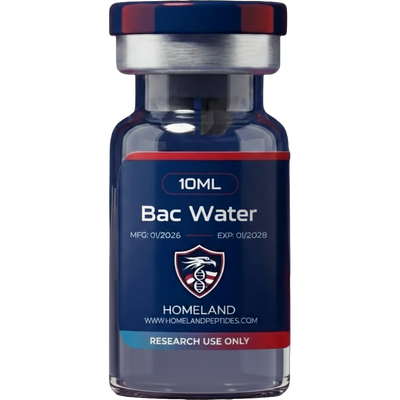
Bacteriostatic Water
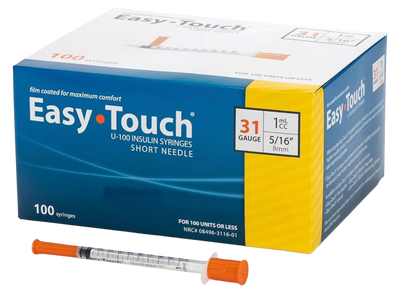
Insulin Syringes
Alcohol Prep Pads
You May Also Like