NAD+
NAD+ (Nicotinamide Adenine Dinucleotide) is a critical coenzyme found in every cell of the body. It plays a central role in cellular energy production, mitochondrial function, DNA repair, and longevity pathways.
Benefits
• Boosts cellular energy and mitochondrial function
• Supports DNA repair and genomic stability
• Activates sirtuins associated with longevity
• Improves metabolic health and insulin sensitivity
• Enhances cognitive function and mental clarity
• Supports anti-aging and cellular repair processes
• May improve recovery and reduce fatigue
• Supports cardiovascular and neurological health
• Helps combat age-related decline in NAD+ levels
• Potential benefits for inflammation and oxidative stress
• Supports overall vitality and cellular resilience
Research Dosing Schedule
A common simple protocol used in laboratory studies is 50–100 mg of NAD+ administered subcutaneously 3–5 times per week. At 100 mg three times per week, one 500 mg vial will last approximately 5 weeks.
Reconstitution Instructions
Each vial contains 500 mg of NAD+ in lyophilized (powder) form.
• Add 5 mL of bacteriostatic water for injection to the vial.
• Gently swirl (do not shake) until the powder is fully dissolved.
• This creates a concentration of 100 mg per mL.
• On a standard U-100 insulin syringe: 0.01 mL (1 unit) = 1 mg of NAD+.
Therefore, for the 100 mg dose: draw 1.0 mL (100 units on the syringe).
Storage
• Unreconstituted vials: Store in a cool, dry place or refrigerator.
• After reconstitution: Refrigerate the solution and use within 30 days. Do not freeze.
Packaging Note
Packaging may vary.
FOR RESEARCH USE ONLY. NOT FOR HUMAN CONSUMPTION.
This product is intended strictly for laboratory and scientific research purposes only.
⚠ Research Use Only. This product is intended for laboratory research purposes only and is not for human or animal consumption.
Frequently Bought With
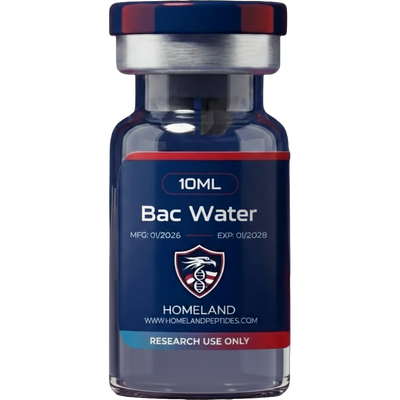
Bacteriostatic Water
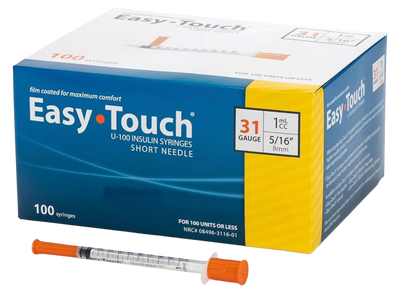
Insulin Syringes
Alcohol Prep Pads
You May Also Like